Close
news & stories
Blogs & Publications
History & mandate
our people
Team
Team
Board of directors
Board of directors
Work with us
work with us
about aplma
1
About
1
About
2
Priorities
2
Priorities
3
History
3
History
website is made by dotdesign.io
Branding Agency for B2G & B2B
APLMA Is supported by
Our website is under construction – some links may not work
About
About & Mission
priorities
history
People
Special Advisor & Board of Directors
APLMA TEam
Work with us
Resources
our Work
APMEN
Leaders' dashboard
Financing
Border malaria
GEDSI
Climate Change
Country profiles
Sandbox
Leaders' summit
Contact
The pandemic, Papua, and a path forward - The Jakarta Post
Published
April 26, 2021
Author
N/A
Topic
Read time
Pregnant women in Papua New Guinea are vulnerable to malaria. Photo credit: UNFPA Patrick Rose
-
You may also like
Blog
•
September 21, 2026
APLMA Dashboard Report 2026
Blog
•
September 9, 2026
Reaching Every Pregnant Woman: Lessons from Indonesia’s Approach to Malaria in Pregnancy
Blog
•
August 24, 2026
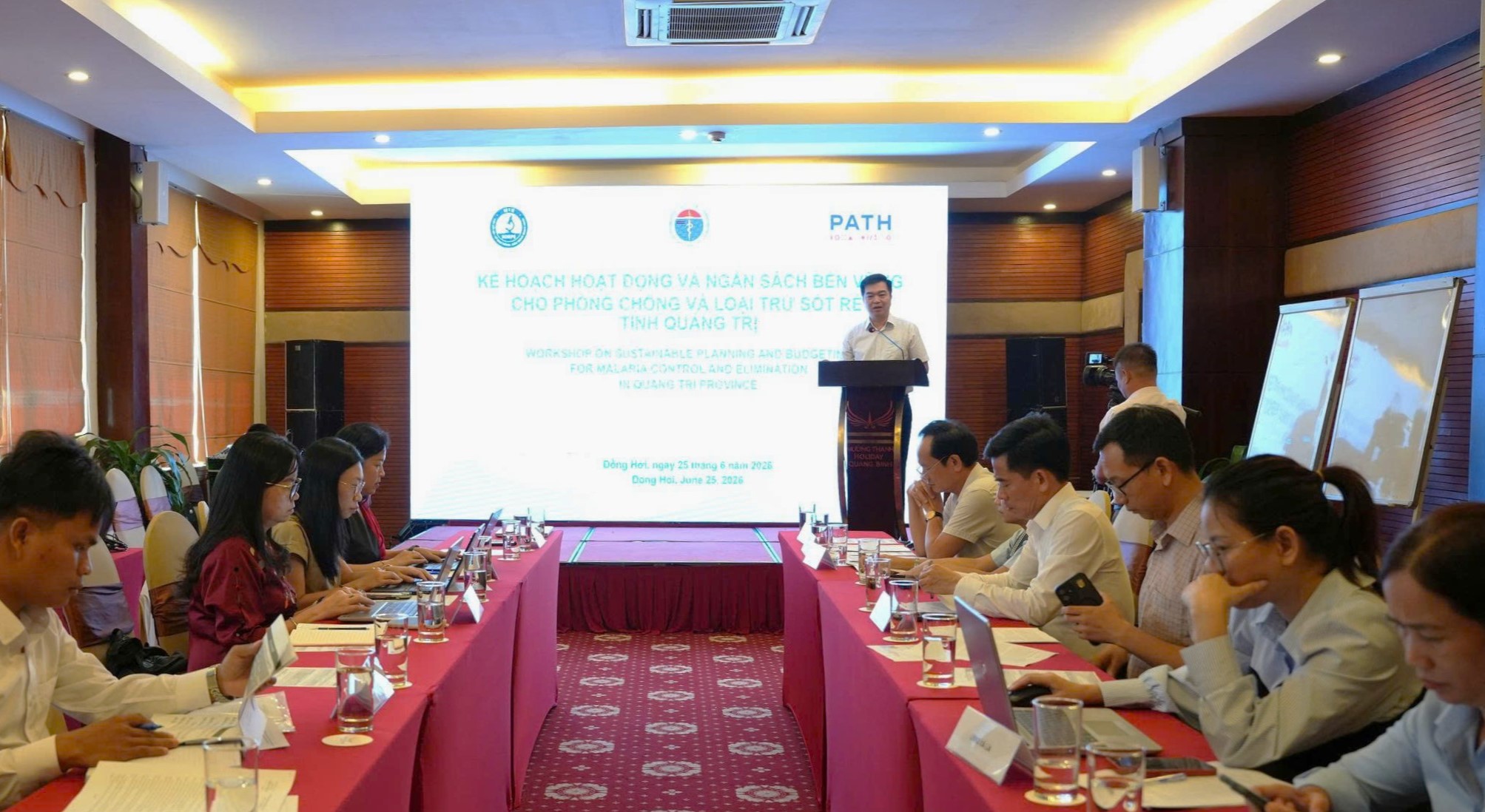
Planning for the Long Run: Building Sustainable Malaria Financing in Viet Nam's New Governance Landscape
You may also like
Blog
•
September 21, 2026
APLMA Dashboard Report 2026
Blog
•
September 9, 2026
Reaching Every Pregnant Woman: Lessons from Indonesia’s Approach to Malaria in Pregnancy
Blog
•
August 24, 2026
Planning for the Long Run: Building Sustainable Malaria Financing in Viet Nam's New Governance Landscape
You may also like
August 6, 2019
APLMA Welcomes Recent Initiatives by M2030 Partners
Topic
Reading time
Written by
N/A
Read
APLMA is an affiliation of Asian and Pacific heads of government formed to accelerate progress against malaria and to eliminate it in the region by 2030.
July 22, 2024
Partners Update - July 2024
Topic
Newsletter
Reading time
8 minutes
Written by
APLMA
Read
Round-up of stories on challenges and impact, engagement and progress towards malaria elimination from the global health community
April 24, 2023
Dr. Mansukh Mandaviya Delivers Keynote Address at the Asia-Pacific Leaders’ Conclave on Malaria Elimination
Topic
Reading time
Written by
Government of India
Read
Malaria is a social, economic and political challenge that requires the co-operation of all stakeholders
Get updates –
subscribe to our newsletter
Subscribe on LinkedIn
Buy Template


.svg)