.svg)


Khánh Hòa là xứ Trầm Hương. Non cao biển rộng, người thương đi về. Khánh Hòa, the land of agarwood. High mountains and vast seas, where loved ones come and go. There is a better world I see, where I too can return; malaria-free, everywhere I turn.
Located in the heart of South-Central Viet Nam, Khánh Hòa Province stretches between captivating, wild mountains and the glistening South China Sea, spanning more than 300 km of coastline with hundreds of sublime beaches and several magnificent bays.
Its distinct topography and fertile soil offer an advantageous environment for diverse agriculture to thrive — particularly the rare and exceptional agarwood — a dark, resinous wood prized for its aroma and used in incense and perfume. So beloved is the storied agarwood — which forms in the wound of infected Aquilaria crassna trees — that an ancient Vietnamese folk song declares Khánh Hòa the land of agarwood, flanked by high mountains and vast sea, where loved ones return.

And yet, behind the picturesque coastal province lies a quietly persistent reality: pockets of malaria cases have continued to linger over the years, including a prolonged outbreak of P. malariae in Khánh Vĩnh District, Khánh Hòa Province that began in 2023.
Malaria Hotspots Reveal a Stubborn Statistic
Malaria transmission has become increasingly concentrated in Khánh Hòa and other provinces in Viet Nam’s central and southern regions, which report 97% of all confirmed cases. These remaining hotspots continue to hinder Viet Nam’s remarkable success over the last decade: indigenous cases dramatically declined from about 9,331 in 2015 to 239 a decade later, with zero indigenous deaths reported since 2019.
.jpg)
Dr. Tôn Thất Toàn, Deputy Director of the Khánh Hòa Center for Disease Control (CDC), notes that much of the province’s enduring malaria burden is concentrated in its Khánh Vĩnh district, where mountainous forests and countless traffic of forest-goers make surveillance and case management particularly difficult.

Sustained investment in malaria control therefore remains essential for Khánh Hòa — both to strengthen measures that address population movement into forest areas and to detect asymptomatic parasite carriers who fuel transmission. Furthermore, with international donor support waning and further reductions anticipated, the urgency of strengthening domestic financing for malaria has never been greater.
Highlights Dr. Toàn, “Khánh Hòa is committed to sustaining progress toward the national goal of malaria elimination by 2030”. In Khánh Hòa, that means institutionalizing regular budget advocacy within the planning cycle to strengthen domestic financing; intensifying control for high-risk groups; strengthening surveillance and targeted protection; and expanding multi-channel health communication to sustain long-term, multisectoral coordination.

Recharting the Path Toward a Malaria-Free Viet Nam
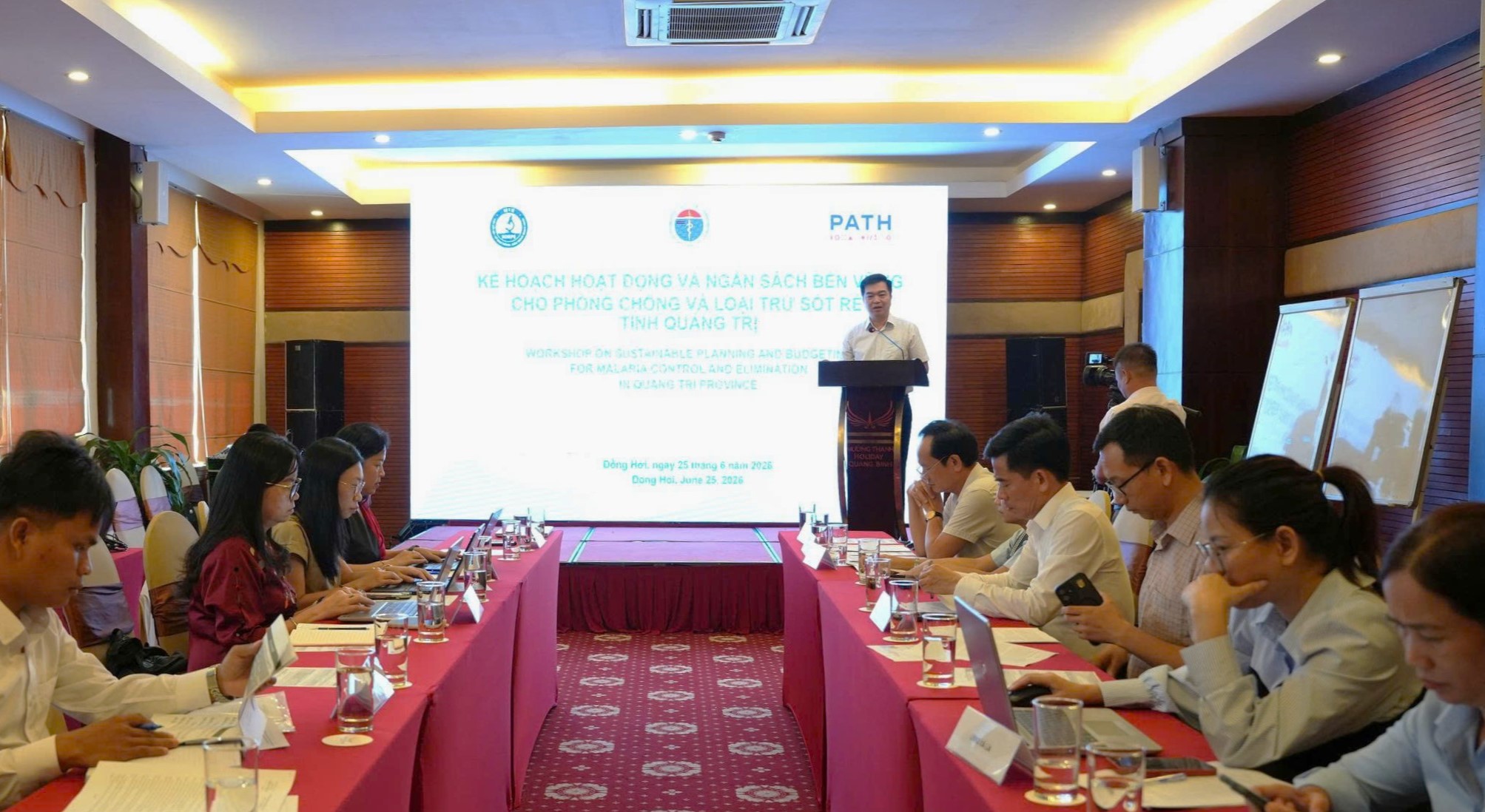
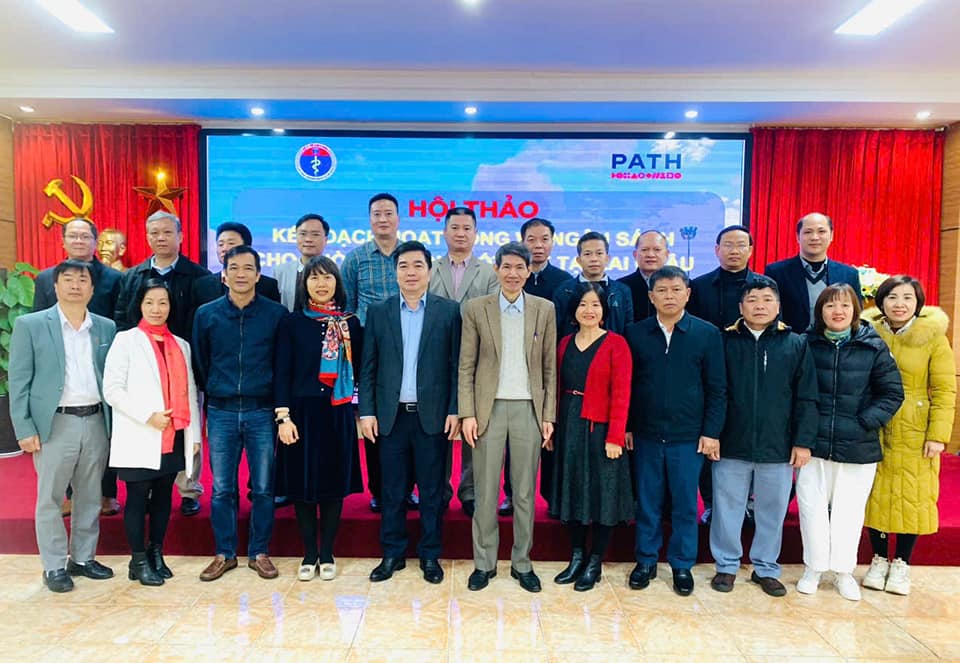
Despite current challenges, Khánh Hòa CDC has persisted with measured efforts. Dr. Toàn attributes the province’s progress in malaria control and elimination efforts to its strengthened efforts towards sustainable malaria funding. For the first time, under the direction of the Department of Health, Khánh Hòa CDC convened a Malaria Budget Advocacy (MBA) meeting with key government stakeholders across sectors, including health, planning and investment, who are involved in annual budget approval.
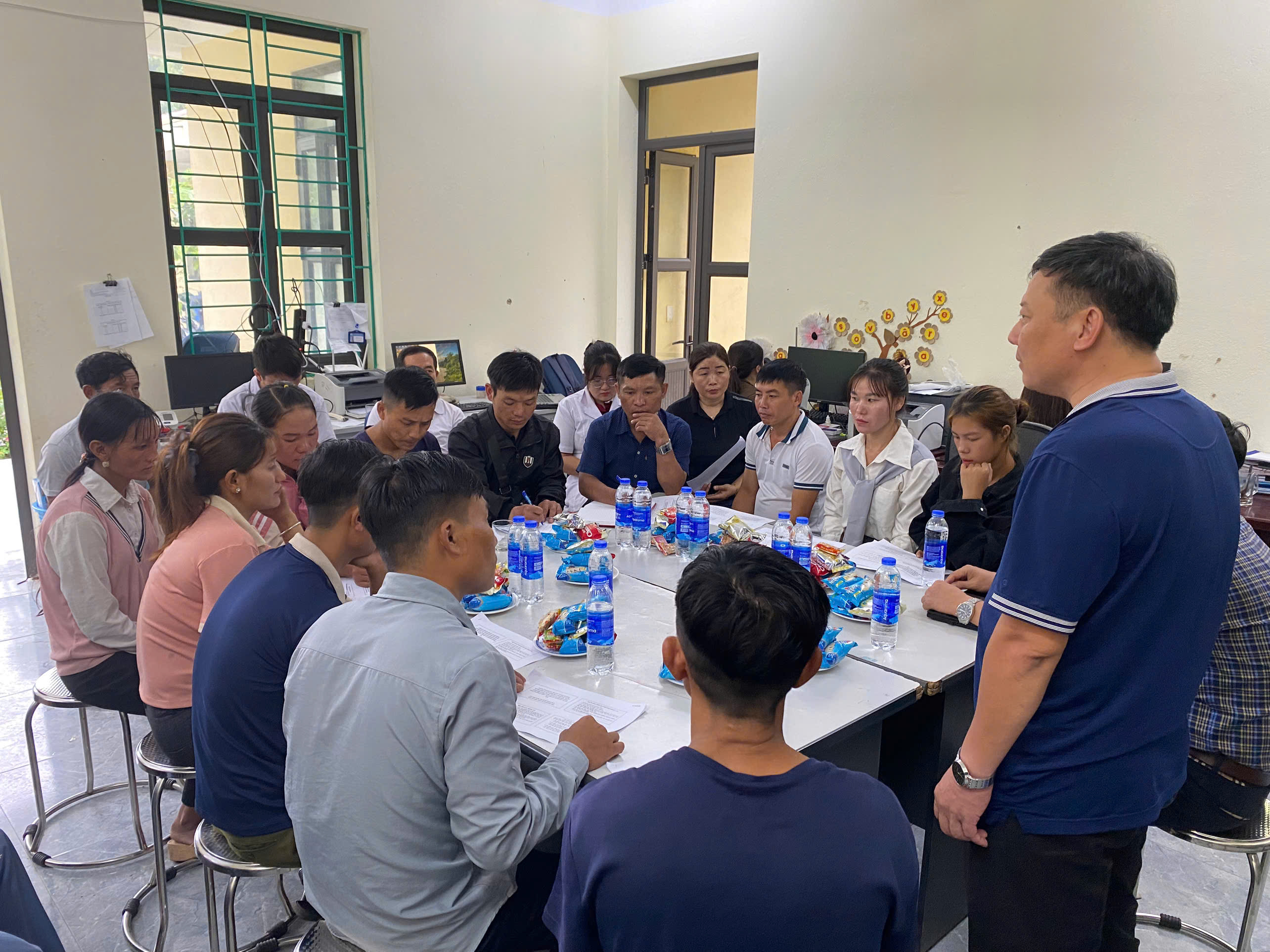
With the project’s technical recommendations, the province has been able to manage resources more efficiently and ensure that priority interventions are adequately planned and financed, particularly in high-burden districts. To ensure funds are well optimized, malaria trends and operational needs are analyzed, with real data used to inform advice and requests to the Department of Health.

Provincial and district malaria staff have also notably improved their capacity for domestic resource mobilization, particularly in how they communicate funding needs to government stakeholders. This improved clarity and coordination have contributed to increased provincial budget allocations for malaria — the core aim of the MBA efforts supported by APLMA with PATH providing on-the-ground implementation support.
Indeed, Khánh Hòa's recent progress illustrates how structured MBA can strengthen provincial financing systems and generate tangible increases in resources for elimination. Dr. Toàn adds, “The budget advocacy meeting proved instrumental in empowering subnational leadership and raising the awareness of provincial authorities on the importance of sustaining investment for malaria control, elimination, and prevention of re-establishment.”
To push past the plateau of current efforts, Dr. Toàn emphasizes that continued support in the coming period will be critical, especially from international partners. While the province continues to ensure local budget allocation, additional support will be needed to identify additional domestic and non-government financial sources to boost progress.

More essential malaria commodities will be needed, including high-quality insecticides and repellents, Long-Lasting Insecticidal Nets (LLINs)/hammocks, Rapid Diagnostic Tests (RDTs), and anti-malarial medicines. Interrupting transmission and reducing the human parasite reservoir in stubborn hotspots will require ongoing technical assistance for molecular diagnostics (PCR) and in-field real-time LAMP detection of asymptomatic infections.
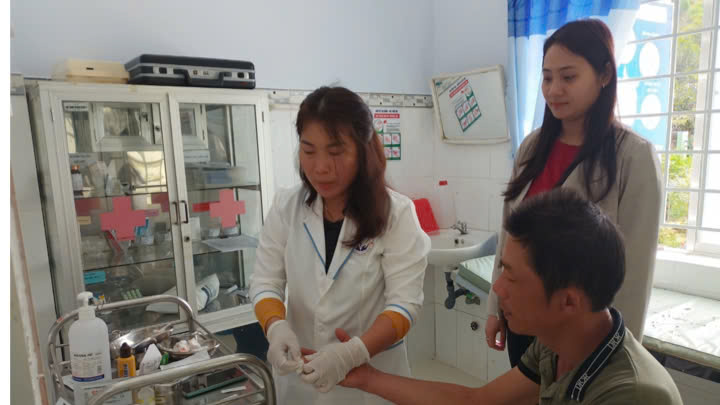
Concurrently, support for operational research on parasite and vector sources will determine whether infected mosquito populations are maintained solely by humans or also by wildlife reservoirs. Finally, community engagement and risk communication must be strengthened for high-risk populations, adds Dr. Toàn.
While the final steps toward a malaria-free Viet Nam will be the most demanding yet, the progress achieved in Khánh Hòa is a testament to how structured MBA can strengthen provincial financing systems and generate tangible increases in resources for elimination.
Strong domestic commitment will be indispensable in the path ahead. Forest workers and field-sleepers brave challenging terrain and weather rugged journeys to make a living. These are our people that we must protect. Echoing the folksong of the agarwood, we can build towards a beautiful place our loved ones can look forward to returning to — a better world we can all see.

You may also like