.svg)


Viet Nam has made remarkable progress towards malaria elimination, reducing indigenous cases from nearly 10,000 in 2015 to fewer than 300 a decade later. As the country pushes towards its goal of eliminating all malaria species by 2030, two provinces, Khánh Hòa and Lai Châu, have emerged as critical battlegrounds. Together, they accounted for 60.9% of all reported malaria cases nationwide in 2024. Yet as these hotspots persist, Viet Nam also faces declining and anticipated reductions in international donor support, making domestic resource mobilization more urgent than ever. In Viet Nam's decentralized governance structure, this responsibility falls primarily to provincial budgets, but the absence of designated malaria budget lines and standardized costing norms has led to allocations driven by historical precedent rather than real-time epidemiological needs.
In response, Asia Pacific Leaders Malaria Alliance (APLMA) and PATH in Vietnam (hereinafter referred simply as PATH) partnered with Vietnam's National Institute of Malariology, Parasitology and Entomology (NIMPE) to conduct focused malaria budget advocacy (MBA) workshops in both provinces during 2024. The results were swift and tangible: both provinces secured increased malaria budget allocations for 2025, marking a concrete step towards sustainable malaria financing.
Creating Multisectoral Dialogues
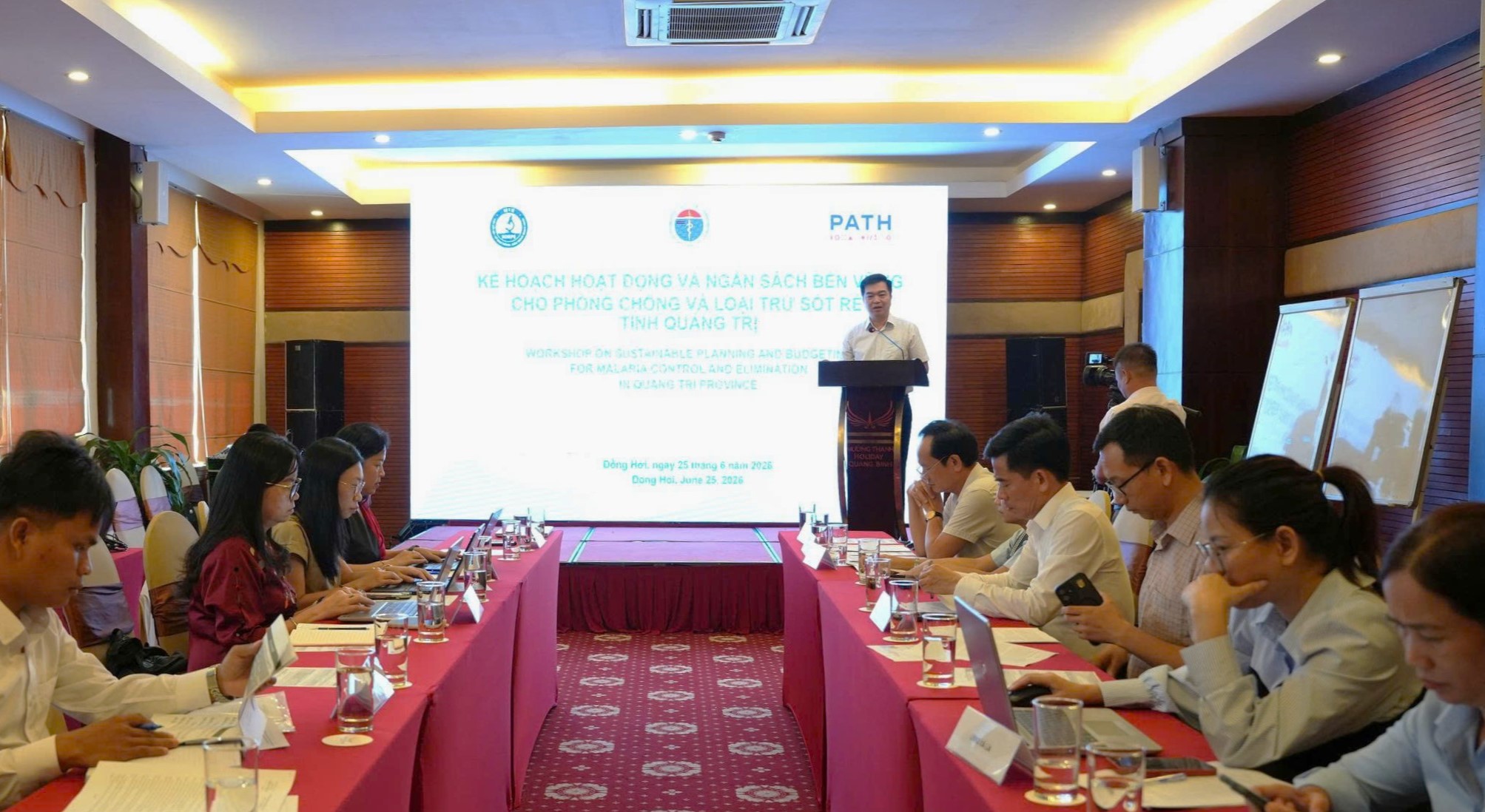
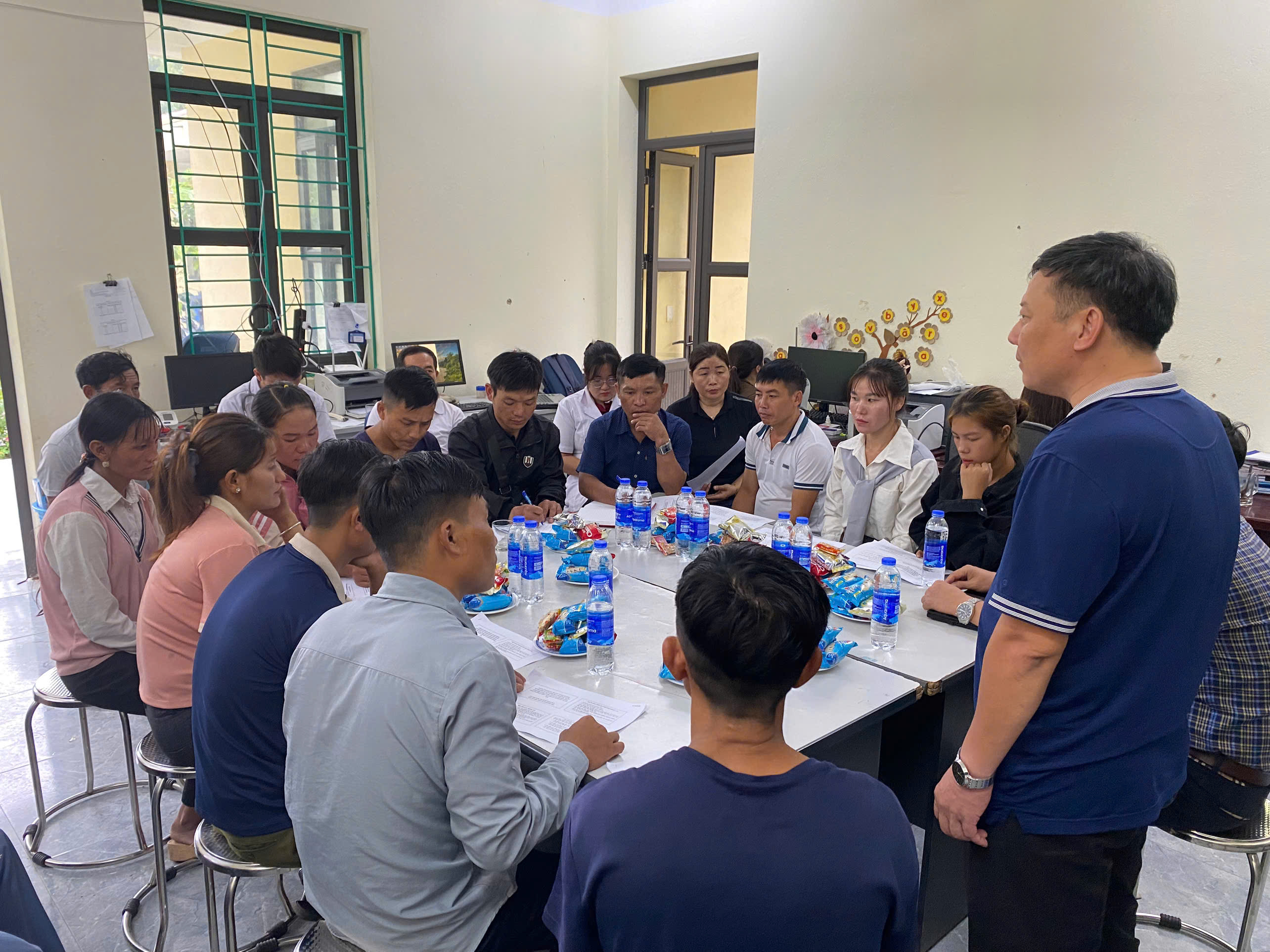
The MBA workshops brought together stakeholders who rarely sit at the same table: health officials, finance departments, planning and investment bureaus, district health centers, and even provincial public security and media representatives. For many participants, this was the first time malaria epidemiology, programme priorities, and financing needs were presented together in an integrated manner.
Prior to each workshop, PATH conducted interviews with provincial leaders to map budgeting processes and identify approval bottlenecks. During the workshops, facilitation was led jointly by NIMPE and provincial Departments of Health, ensuring both technical authority and local leadership. These structured discussions centered on two pillars:
• Technical priorities: Diagnostics, high-risk population management, and risk communication;
• Domestic budget mobilization: Approval of cost norms, Corporate Social Responsibility (CSR) contributions, and preparations for decentralization.
This participatory format enabled provincial Centers for Disease Control to move beyond passive proposal submission and advocate proactively through active dialogue.
Results and Key Lessons
In Khánh Hòa, the MBA workshop resulted in an expanded, consolidated malaria budget line, which increased from VND 1.33 billion (USD 52,000) in 2024 to VND 2.06 billion (USD 81,000) in 2025 – a 56% increase. In addition to higher budget allocations, the workshop further strengthened the case for the Department of Finance to endorse new malaria cost norms for 2025. These updated norms enable faster disbursement and expand the range of eligible operational expenditures, addressing previous delays caused by procedural restrictions.
In Lai Châu, the MBA workshop increased provincial malaria budget from VND 566 million (USD 22,000) in 2024 to VND 823 million (USD 32,000) in 2025 – a 45% increase. The province also endorsed a forward estimate of VND1.1–1.25 billion (USD 43,000–49,000) for 2026–2027. Notably, Mường Tè District secured dedicated budget lines for surveillance and Information, Education, and Communication activities, both of which had previously been unfunded at district level. The 2025 budget also includes specific allocations for malaria commodities and medicines (including chloroquine) to support upcoming mass drug administration rounds.
These MBA workshops also revealed four key insights with broader applicability:
• Understanding provincial budgeting models enables tailored support: Recognizing whether a province uses centralized or decentralized budgeting allows partners to provide more targeted technical guidance;
• Strong foundation for capacity building: The workshops revealed high interest among staff but also showed that budget development often relies on historical allocations rather than detailed situation analyses;
• Potential to integrate advocacy into routine planning: Systematic advocacy is not yet embedded in annual workplans, but the workshops generated momentum to institutionalize this process;
• Willingness to mobilize diverse funding sources: Lai Châu's success in securing private sector contributions during the 2023 outbreak demonstrates the feasibility of expanding non-government financing streams.
Moving Forward
To maintain momentum, several priority actions can help provinces further strengthen domestic resource mobilization and maintain progress towards elimination:
• Strengthen provincial capacity through targeted training on situation analysis, costed planning, and evidence-based advocacy,
• Promote multi-source financing that combines central government support, donor contributions, and private sector or CSR funding,
• Institutionalize annual MBA workshops within routine budgeting processes to keep allocations aligned with epidemiological realities,
• Integrate malaria activities into broader health programs to reduce costs while maintaining coverage.
These actions are particularly urgent given Viet Nam's July 2025 administrative reforms, which merged selected provinces and removed district-level governance. These changes may require new coordination arrangements and updated planning processes, making clear guidance and streamlined systems even more critical.
Conclusion
The experience of Khánh Hòa and Lai Châu demonstrates how structured MBA can strengthen provincial financing systems and generate tangible increases in resources for elimination. These provinces offer practical demonstration models for how MBA can be applied more widely, particularly in “Prevention of Reestablishment provinces" where domestic resource mobilization for malaria has often been most limited. Scaling up this approach is increasingly important as Viet Nam faces a rapidly shifting donor landscape, with expected reductions in the next Global Fund cycle in 2026. Sustained, province-led advocacy and resource mobilization will be critical to sustaining Viet Nam’s progresses and supporting its 2030 malaria elimination goal.
Read the full case study here:
You may also like