.svg)


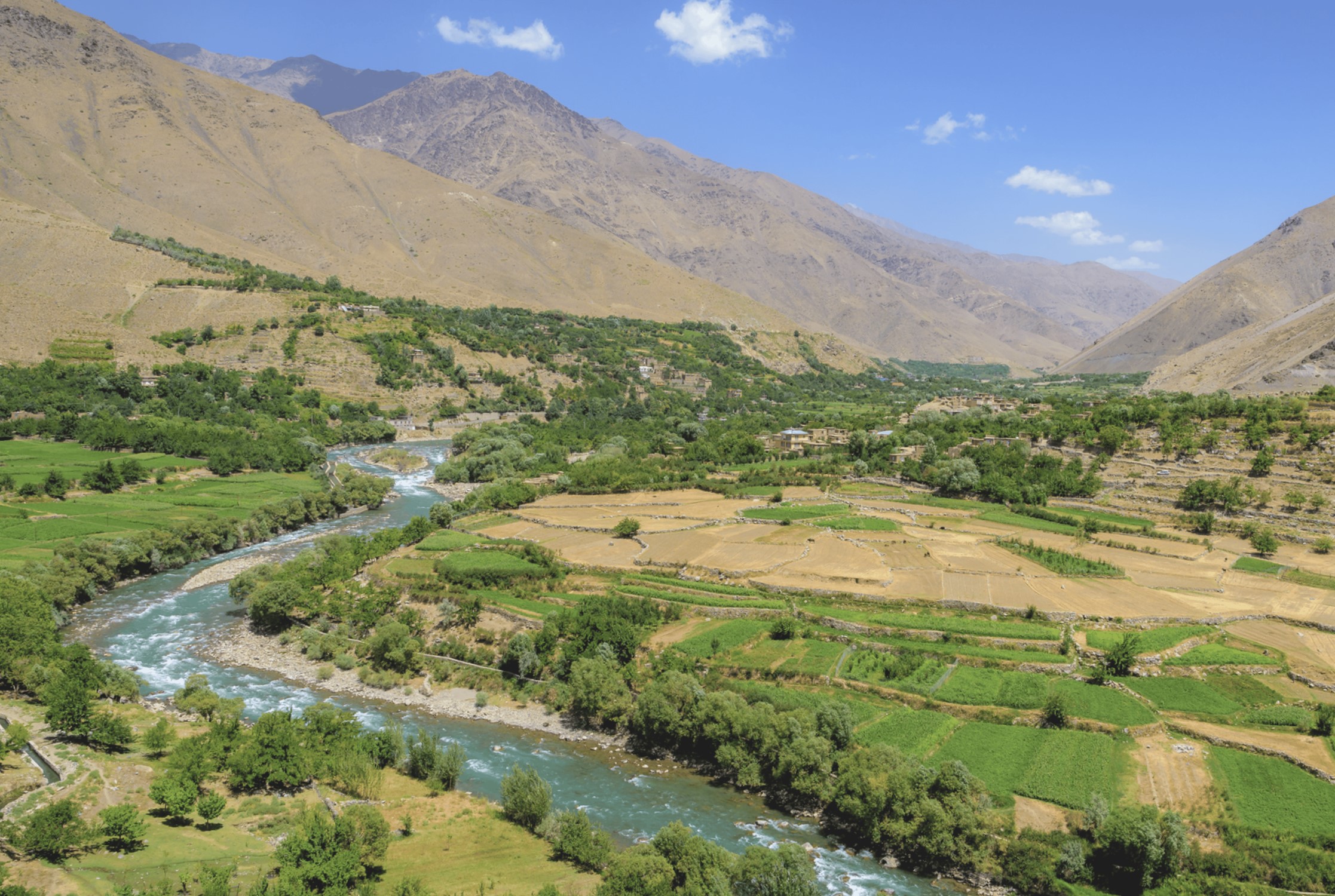
As global health funding declines globally, the Global Fund’s Grant Cycle 8 (GC8) arrives at a critical juncture that will shape the trajectory of national malaria responses between 2027 and 2029 for countries continuing to receive Global Fund support. For Afghanistan, the GC8 funding request represents a defining window to redefine strategic priorities and leverage global momentum to mobilize resources to reverse the recent resurgence.
Following a period of notable progress between 2016 and 2021, during which Afghanistan achieved an 80% reduction in cases and recorded zero deaths, the country’s gains have since faced significant setbacks. Between 2021 and 2024, malaria cases tripled from 86,370 to 257,942 cases. This resurgence is primarily driven by intense transmission in the country’s eastern provinces of Nangarhar, Laghman, and Kunar, which accounted for 85% of national cases. In 2024, the country recorded the fourth highest malaria caseload in the Asia Pacific region. Concurrently, support from the Global Fund — the primary financier of Afghanistan’s malaria response — has consistently decreased across allocation cycles, falling by 32% between Grant Cycle 5 (2018-2020) and GC8, from US$27.11 million to US$18.52 million.
This is the context in which Afghanistan’s malaria program must now navigate. With a shrinking Global Fund envelope, a persistent funding gap, and critical interventions already unfunded, this convergence of systemic challenges presents a dual reality of acute risk and strategic opportunity where the commitments secured today could determine whether progress continues to stall, or whether critical reforms can be catalyzed. APLMA, in collaboration with the National Malaria & Other Vector Borne Diseases Program and the Ministry of Public Health of the Islamic Emirate of Afghanistan, developed this policy brief to provide evidence and recommendations in support of the GC8 funding request and to build a case for securing complementary financing beyond the Global Fund.
What Has Worked
Afghanistan’s progress over the past decade has been driven by sustained investments in community-based diagnosis and treatment through the Community-based Management of Malaria program. Leveraging over 32,000 trained community health workers to expand access and use of rapid diagnostic tests, Afghanistan has now achieved near-universal parasitological testing, driving a steep 80% decline in cases from 436,017 in 2016 to just 86,370 by 2021.
Private sector engagement has further strengthened Afghanistan’s malaria surveillance and response. In 2023, outreach to private healthcare providers was expanded across the three highest-burden provinces — Nangarhar, Kunar, and Laghman — to strengthen malaria case management and reporting. By 2024, the private sector accounted for 13% of all nationally reported cases, demonstrating the value of integrating private healthcare providers to improve surveillance and response efforts.
Drivers of The Resurgence
Despite promising progress, the biggest clinical challenge to elimination in Afghanistan remains to be Plasmodium vivax, which comprises 96% of confirmed malaria cases in the country. While radical cure currently exists, the use of the recommended drugs — primaquine and tafenoquine — require careful consideration at point-of-care, as they could cause dose-dependent rupture or destruction of red blood cells in individuals with the enzyme disorder glucose-6-phosphatedehydrogenase (G6PD) deficiency. However, across Afghanistan, G6PD testing remains largely unavailable. Therefore, most patients are typically placed on a precautionary eight-week treatment regimen, where the risks of poor treatment adherence and incomplete treatment are widely recognised.
Furthermore, while long-lasting insecticidal nets (LLINs) have been widely distributed in high-burden areas, pyrethroid resistance and low utilization have reduced their effectiveness and protective impact. While the transition to next-generation nets has begun, rollout remains limited by cost and supply chain challenges. This is compounded by reported cases of low user comfort, which further hinders effective uptake of next-generation nets among local communities.
The Human Cost of A Persistent Funding Gap
Underlying many of these challenges is a significant financing gap that continues to constrain the sustainability and effectiveness of Afghanistan’s malaria response. Between 2021 and 2026, Afghanistan’s national malaria program has faced a funding gap exceeding 51%, amounting to approximately US$50 million of unfunded program activities. Nearly 90% of the current Global Fund grant is absorbed by program management costs and LLIN procurement and distribution, leaving crucial activities including case management, private sector engagement, and targeted LLIN distribution unfunded. The impact of this funding gap is most salient among the most vulnerable, including pregnant women and children, and refugees and internally displaced persons.
What The Next Five Years Require
To confront these systemic challenges, Afghanistan must focus its efforts on addressing the barriers that threaten the sustainability of its malaria response. The brief outlines seven key recommendations for the national program, partners, and stakeholders to consider as Afghanistan navigates this crucial period that will define its malaria trajectory over the next five years.
1. Implement a comprehensive, system-wide strategy for P. vivax radical cure, including expanding G6PD testing and implementing shorter radical cure regimens
2. Strengthenand resource community-based malaria diagnosis and treatment to sustain universal testing and treatment, including for P. vivax
3. Re-invest in private sector engagement to extend access to quality-assured malaria care and strengthen national surveillance and decision-making
4. Intensify malaria control and elimination activities, with an emphasis on targeting P. falciparum hotspots
5. Protect pregnant women, children, and displaced populations with next-generation vector control tools
6. Strengthen border surveillance and cross-border coordination, particularly with Pakistan
7. Diversify and expand the program financing base beyond the Global Fund through domestic investment and new donor partnerships
The Way Forward
Looking ahead, sustaining progress against malaria in Afghanistan will depend on securing sustainable financing, enhancing targeted response, and strengthening the systems, resource base, and partnerships needed to deliver effective, equitable, and resilient malaria services. With sustained commitment and strategic investment, Afghanistan has the opportunity to regain momentum toward malaria elimination and build a more resilient and equitable health system that safeguards the health of its communities.
Remark:
Cases reported in this policy brief and blog refer to both confirmed cases (diagnosed with a parasitological test) and presumed cases (clinically diagnosed based on symptoms) unless otherwise stated.
Read the policy brief here:
You may also like