.svg)


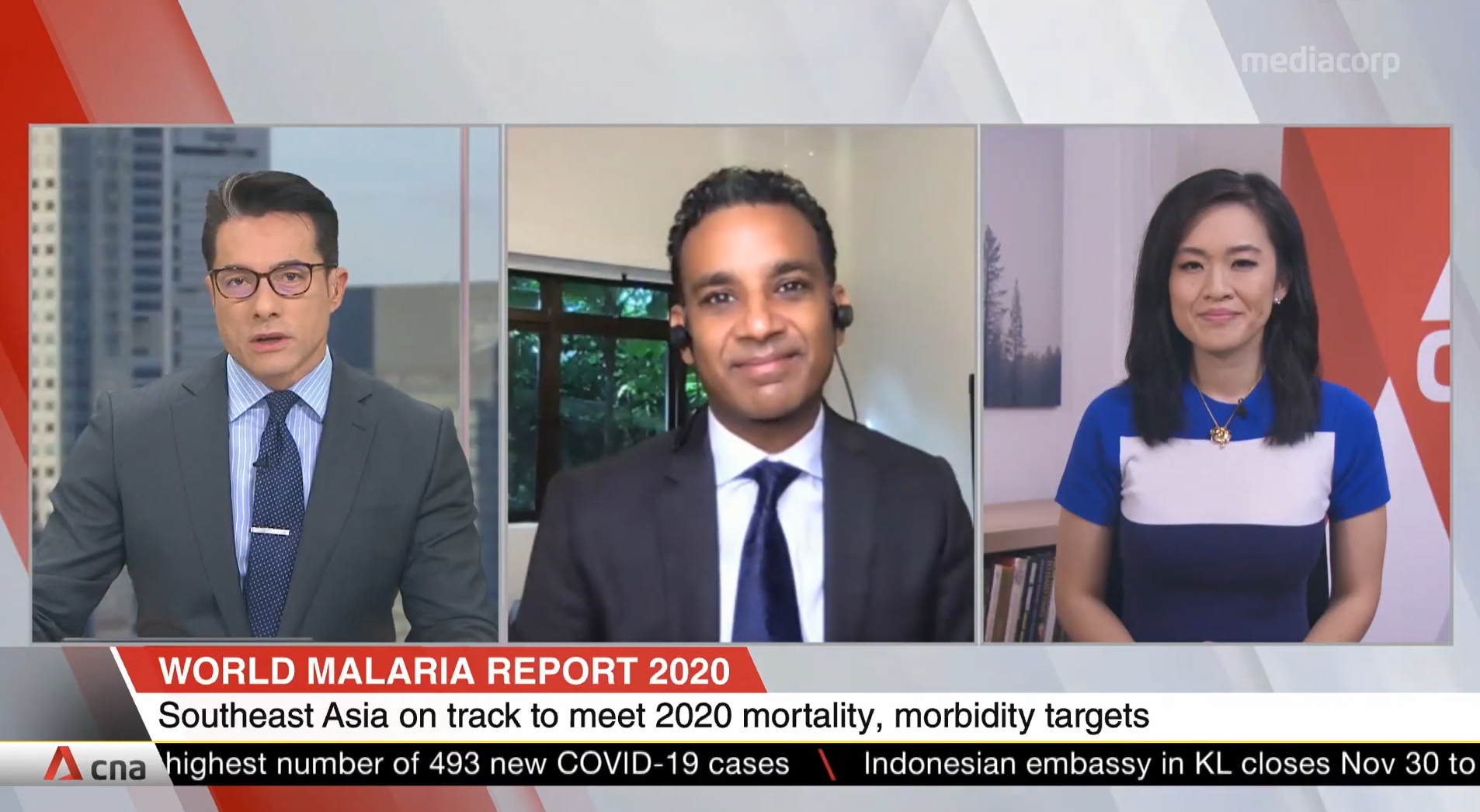
In an interview with CNA, Dr. Sarthak Das, Chief Executive Officer of APLMA, reflected on both the progress achieved and the growing risks facing the global fight against malaria. The past two decades marked a momentous period of gains, driven by strong regional commitment, international cooperation and a push for capacity building in low‑ and middle‑income settings. These efforts delivered remarkable returns for public health, however trends highlighted in the latest World Malaria Report point to a troubling slowdown, as progress has begun to level off globally amid persistent funding gaps and the strain COVID‑19 has placed on health systems worldwide.
Dr. Das stressed that successful elimination hinges on three core areas: timely detection, accurate diagnosis, and access to high‑quality treatment. When health systems are overstretched, as seen during the pandemic, disruption to these core areas could erode hard-won gains. At the same time, drug resistance remains a major threat. Yet the Greater Mekong Subregion - long regarded as the epicentre of antimalarial drug resistance - has shown that substantial reduction of burden is possible through sustained, coordinated regional action over the years.
Reflecting on the growing risks posed by climate change, Dr. Das highlighted the need for more cross‑disciplinary approaches to malaria elimination. Addressing these evolving risks will require global strategies to be adapted to local contexts, grounded in local data and strengthened collaboration with communities on the frontlines. As the region looks towards the 2030 goal, sustained commitment and locally informed action will be critical to protect past gains and drive progress forward.
Watch the interview below:
You may also like